

How to Choose a Qualified Acupuncturist in New York City
New York City has hundreds of licensed acupuncturists, which makes choosing the right one genuinely difficult. Proximity and price matter, but they're not the whole picture — especially for complex or chronic conditions where the quality of the practitioner makes a meaningful difference in outcomes. Here's what to look for.
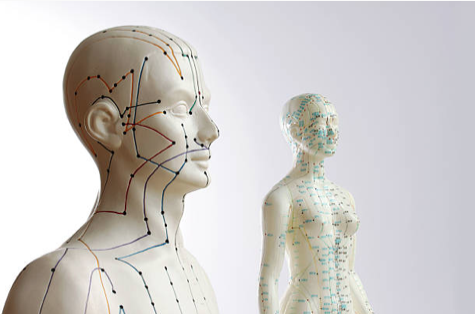
Verify New York State licensure
All acupuncturists practicing in New York must hold an active state license. You can confirm licensure and check for any disciplinary history through the New York State Office of the Professions. This is the baseline — but licensure alone doesn't tell the full story.
Check national board certification
Beyond state licensure, look for national board certification through the NCBAHM (National Certification Board for Acupuncture and Herbal Medicine, formerly NCCAOM). The Diplomate of Oriental Medicine (Dipl. OM) designation indicates rigorous competency verification in both acupuncture and Chinese herbal medicine. You can verify a practitioner's certification and find board-certified practitioners at the NCBAHM Find a Practitioner Directory.
This designation matters more than it might seem. Chiropractors, registered nurses, and even medical doctors can legally provide acupuncture in some states after as few as 100–300 hours of abbreviated training, treating a more limited number of points. By contrast, a licensed acupuncturist with Dipl. OM certification has completed thousands of hours of training in acupuncture, herbal medicine, medical history gathering, safety, ethics, common pharmaceuticals and supplements, and when to refer patients to or consult with other healthcare professionals.
Understand herbal medicine credentials
Herbal medicine training requirements vary significantly by state. New York State does not have a specific requirement for herbal medicine training — meaning a licensed acupuncturist in NYS may have little or no formal herbal education. The only reliable way to confirm a practitioner is qualified to prescribe Chinese herbal medicine is the Dipl. OM designation from NCBAHM. If herbal medicine is part of your treatment plan, this distinction matters.
Look for advanced clinical training
A Doctorate in Acupuncture and Chinese Medicine (DACM) is the highest clinical degree in the field. Practitioners who have completed advanced training in integrative settings — working alongside physicians at hospitals or medical centers — bring a fluency in both Eastern and Western approaches that is particularly valuable for patients managing complex conditions or coordinating care with other providers.
Ask about insurance — and verify before your visit
Many acupuncture practices in New York City describe themselves as accepting insurance, but there is an important distinction between being in-network and simply accepting a given insurance card. Patients who see an out-of-network provider may receive a significantly higher bill than expected after treatment. Before your first visit, confirm the practice's in-network status directly with your insurance company, and ask the practice upfront about costs and how claims are submitted. A practice that is genuinely in-network with your plan will be able to confirm this clearly. Learn more about insurance coverage at Hewwing Acupuncture.
Dr. Samantha Hewwing, DACM, LAc, Dipl OM
Hewwing Acupuncture & Herbal Medicine
32 Union Square East, Suite 814A, New York, NY 10003